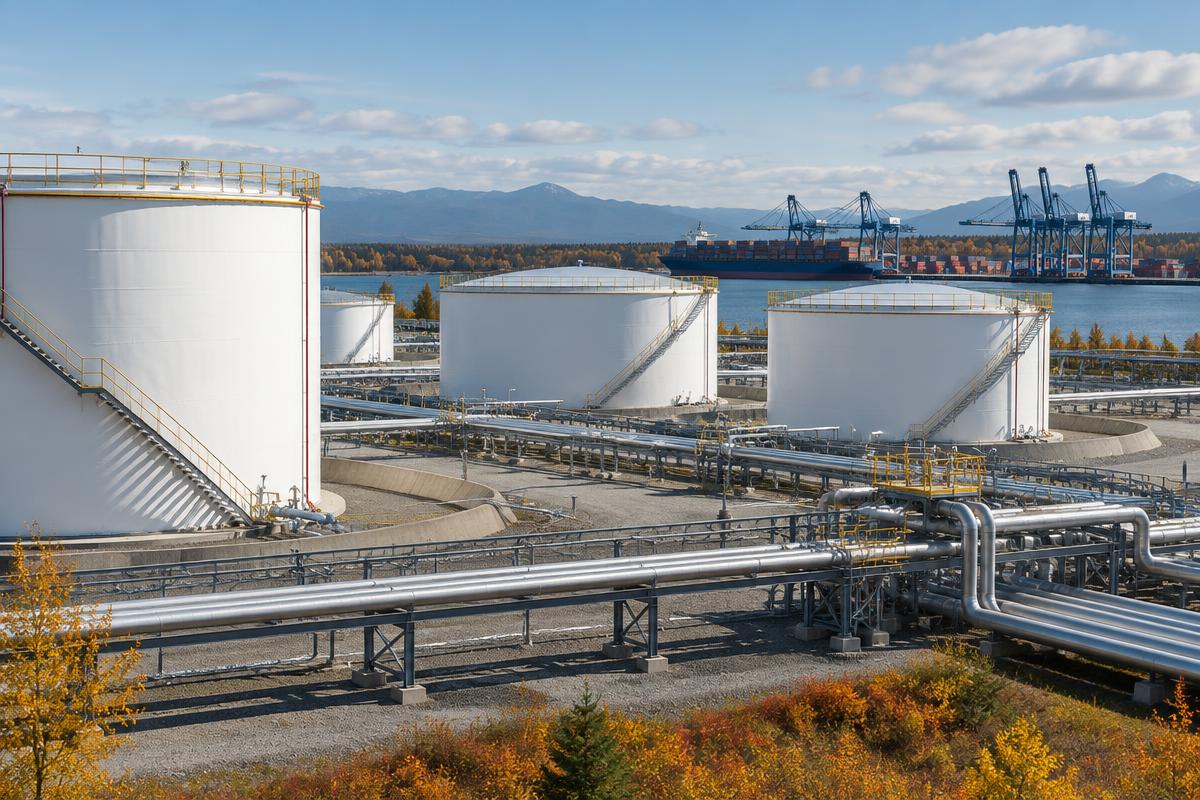
Canada and its G7 partners agreed Friday to release 100 million barrels of crude oil and diesel from stockpiles over four months, seeking to ease a sharp rise in energy prices during the Iran war. The International Energy Agency will co-ordinate the release, according to the joint statement reported by the Financial Post on October 2.
The agreement includes a substantial diesel release within 20 days, followed by discussions about whether more will be needed. The statement did not say how the overall volume would be divided between diesel and crude oil. That omission matters because finished transport fuel and the raw material used to produce it address different bottlenecks.
The G7 grouping comprises Canada, the United States, France, Germany, Italy, Britain and Japan. The announced 100-million-barrel figure is a collective commitment, not a Canadian allocation. The report does not establish a Canadian contribution or a delivery schedule for individual markets, so the headline volume should not be read as fuel immediately available at Canadian pumps.
Diesel has particular importance for freight, farming and other businesses that move goods or operate heavy equipment. A supply squeeze can increase operating costs across those activities before consumers see the effect in retail prices. The IEA’s September market assessment, cited in the report, linked pressure on diesel supplies to military strikes on refinery infrastructure in the Middle East and Russia.
The announcement followed a threat by U.S. President Donald Trump to ban diesel exports. The joint approach instead aims to increase available supply and reduce price shocks for households and businesses. Whether the release achieves that aim will depend on the timing, the products supplied and the condition of the infrastructure that turns crude into usable fuel.
For Canadian businesses, the measure is a potential buffer rather than a promise of immediate relief. Stockpile releases can buy time, but they do not repair damaged refineries or settle the conflict behind the disruption. The next useful indicators will be the detailed diesel allocation, the pace of deliveries and whether wholesale price pressure begins to ease.
businessReportingCanada